

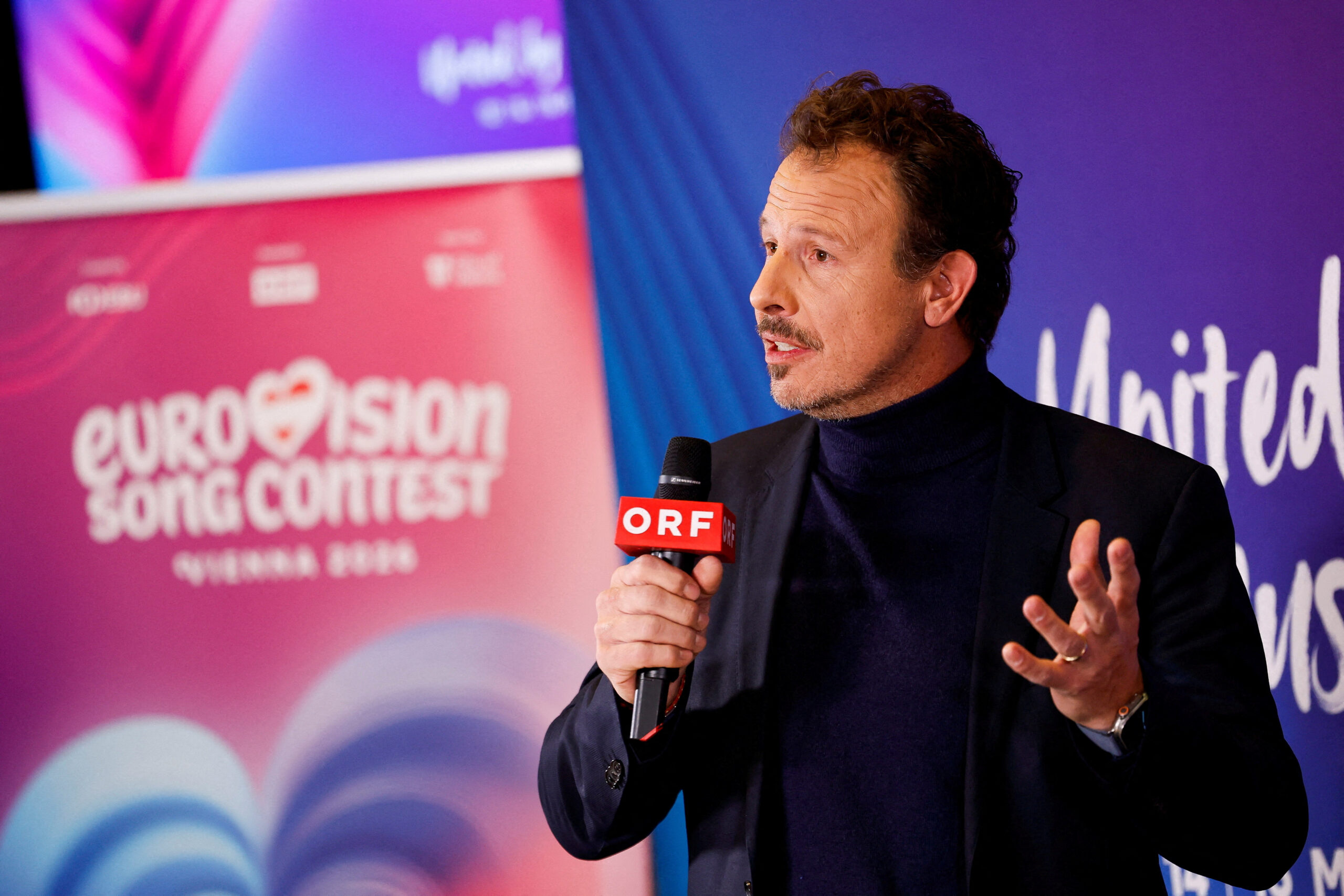
Eurovision Host Says It Will Not Drown Out Any Boos During Israel’s Performance: Contest Integrity and Free Expression Debate
Eurovision Host Says It Will Not Drown Out Any Boos During Israel’s Performance
In a notable statement ahead of the 2025 Eurovision Song Contest, the Eurovision will not drown out boos during Israel’s performance, according to reporting by Reuters. The announcement from the broadcast host emphasises a commitment to impartial contest coverage, even in the face of potential negative audience reactions during the live show. This approach signals a broader debate about how large cultural events balance freedom of expression with respectful engagement.
This article explores the context behind this decision, the implications for broadcasting standards, reactions from stakeholders, and the broader cultural conversation surrounding Eurovision.
Why This Decision Matters
The Eurovision Song Contest is one of the world’s most watched non-sporting television events, attracting hundreds of millions of viewers across Europe and beyond. Contest organisers and broadcasters face the sensitive task of presenting live performances while managing diverse audience reactions.
The Eurovision will not drown out boos during Israel’s performance statement reflects several key considerations:
-
Broadcast integrity: Avoiding artificial audio manipulation maintains transparency with viewers.
-
Respect for audience expression: Allowing genuine audience sound illustrates a commitment to authentic live coverage.
-
Editorial independence: The host broadcaster affirms that Eurovision is a cultural event, not a platform for censorship.
According to Reuters, the announcement comes amid concerns that audience reactions may include audible boos during Israel’s participation, reflecting varying public sentiments. The host broadcaster’s stance is intended to ensure that the live experience is presented as it occurs, without interference. (Source: Reuters)
For an overview of how Eurovision has historically handled audience engagement and controversy, the Eurovision Song Contest official history provides valuable context:
https://eurovision.tv/about/history
The Context: Eurovision and Israel’s Participation
Israel has been a longstanding participant in the Eurovision Song Contest since 1973, and its entries have included notable performances and victories. However, political tensions surrounding Middle East geopolitics have occasionally surfaced in public reactions to its participation.
Key points regarding Israel’s involvement include:
-
Israel’s Eurovision history, including wins in 1978, 1979, 1998, and 2018
-
Previous discussions and debates about political expression at cultural events
-
Calls from various groups to separate political debate from artistic competition
For comprehensive information on Israel’s Eurovision entries over the years, the Eurovision World country profile for Israel is an informative reference:
https://eurovisionworld.com/country/israel
Freedom of Expression Versus Broadcast Ethics
The announcement that Eurovision will not drown out boos during Israel’s performance raises important questions about the balance between freedom of expression and broadcasting ethics. Organisers are navigating an environment where:
-
Audience members may express disapproval spontaneously
-
Regulators and broadcasters must uphold standards of impartiality
-
Viewers around the world expect live broadcasts to reflect genuine soundscapes
Proponents of the host’s decision argue that it aligns with journalistic integrity and respects the right of attendees to express genuine reactions, in line with broader democratic principles that protect free speech.
Opponents caution that:
-
Amplified negative reactions could overshadow artistic merit
-
Broadcasting distressing sound may influence viewers unfairly
-
Political expression at cultural events risks altering the competitive environment
For context on how media ethics handle controversial live content, the Reuters Institute for the Study of Journalism explores journalism standards and live broadcast challenges:
https://reutersinstitute.politics.ox.ac.uk
Responses from Fans and Public Figures
The host broadcaster’s stance has sparked varied responses from Eurovision fans, music industry figures, and commentators. Social media and fan forums are abuzz with both support and criticism of the decision.
Typical reactions include:
-
Support for authentic broadcast: Some viewers say that artificially muting boos would amount to censorship.
-
Calls for neutrality: Others emphasise that Eurovision should remain focused on music and competition, not political expression.
-
Concerns about audience behaviour: A segment of fans stresses respectful conduct as part of the Eurovision spirit.
These diverse reactions mirror broader public debates about how global media events handle expressions of dissent and cultural sensitivity.
Eurovision’s Rules and Political Neutrality
The Eurovision Song Contest operates under strict rules that prohibit political messaging within performances. The European Broadcasting Union (EBU), which organises Eurovision, has guidelines designed to keep the contest focused on music rather than geopolitics.
Key points from Eurovision regulations include:
-
No overt political messages during performances
-
Non-political staging and lyrics
-
Audience behaviour guidelines articulated by the host broadcaster
Despite these rules, audience reactions can reflect broader socio-political sentiment, which is why the host’s decision to let sound play without censorship is both significant and controversial.
For a full copy of Eurovision’s participation rules and guidelines, see the EBU contest rules document:
https://eurovision.tv/about/rules
Broader Cultural Implications
The decision that Eurovision will not drown out boos during Israel’s performance highlights several broader cultural and media trends:
Authentic Live Broadcasting
Media producers face increasing scrutiny over how they handle live reactions, particularly in events where audience behaviour may be unpredictable. Preserving unedited soundscapes reinforces a commitment to transparency.
Cultural Events in Politically Charged Times
Large cultural platforms such as Eurovision are not immune to geopolitical tensions. The intersection of art and politics requires careful navigation to respect diverse audience perspectives without compromising the event’s core objectives.
Viewer Trust and Media Integrity
Maintaining trust with global audiences involves balancing editorial decisions with expectations for honest coverage. Eurovision’s stance may set a precedent for how other cultural broadcasts handle potentially contentious audience audio.
Looking Ahead
As the Eurovision Song Contest final approaches, attention will focus not only on the performances but also on how the broadcast manages audience reactions. The commitment that Eurovision will not drown out boos during Israel’s performance represents a clear policy choice that prioritises live authenticity and editorial transparency.
This stance will likely continue to shape discussions about:
-
Audience behaviour at large cultural events
-
Media responsibilities in handling spontaneous reactions
-
The role of popular music platforms in reflecting public sentiment