

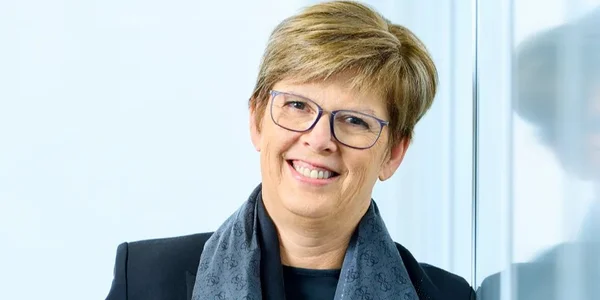
French Banker Threatened Euroclear CEO Amid EU Talks on Russian Assets: Investigation Reveals Influence and Security Concerns
French Banker Threatened Euroclear CEO Amid EU Talks on Russian Assets
A striking French banker threatened Euroclear CEO during high-stakes EU negotiations over how to handle vast frozen Russian assets, according to an investigation by EUobserver. This extraordinary episode sheds light on a lesser-known but potentially impactful backdrop to European Union policymaking on Russian funds — issues that are at the heart of ongoing debates about how best to support Ukraine’s defence and reconstruction. The incident raises serious questions about influence, security and the pressures that surround decisions involving geopolitical tensions and financial institutions. EUobserver
Who Is the Banker and What Happened?
At the centre of the story is Olivier Huby, a French banker and board member of Mfex, a subsidiary of Euroclear — the Belgium-based financial services giant that manages roughly €193 billion in frozen Russian Central Bank assets. Although Huby did not have formal managerial authority within Euroclear, his role provided privileged access to top executives, including CEO Valérie Urbain. EUobserver
According to several sources interviewed for the investigation, Huby allegedly crossed professional lines by:
-
Attempting to arrange meetings between Euroclear executives and contacts described as linked to Russian intelligence agencies
-
Issuing threats toward Urbain and another senior executive when they declined his proposals
-
Suggesting potential harm to personal property and safety if they did not comply with his requests
These alleged actions prompted concern among insiders and drew attention to the security risks facing Euroclear leadership during a period of intense political negotiation. EUobserver
The Stakes: EU Talks on Frozen Russian Assets
The backdrop to this dramatic account is a set of critical talks among EU leaders on how to utilise billions of euros in Russian assets frozen under sanctions imposed after Russia’s full-scale invasion of Ukraine in 2022. The possibility of tapping into these funds as collateral or direct financing for Ukraine’s defence and reconstruction has become a flashpoint in European policy discussions. Despite the political urgency, Belgium — where Euroclear is based — remains cautious about authorising use of the assets due to legal liabilities and financial market concerns. Reddit
These negotiations have involved high-level figures including Belgian Prime Minister Bart De Wever, European Commission President Ursula von der Leyen and German leadership, all seeking to balance legal integrity, geopolitical pressure and support for Ukraine. The BBC provides context on the broader EU-Russia financial dispute. (External resource: EU and Russian assets debate background — https://www.bbc.com/news/world-europe-) DoFollow
Who Is Olivier Huby and What Are His Alleged Ties?
Investigative reporting shows that Huby travelled extensively to Russia over the years — reportedly flying there more than 150 times in the past decade — often alongside his wife. Many of these trips occurred after Russia’s relations with the EU deteriorated following its invasion of Ukraine. EUobserver
He also identified himself publicly as a member of the Russian Geographic Society, an organisation once chaired by senior Russian officials, including figures associated with the Kremlin. Experts have described the society in recent years as part of Russia’s soft-power and intelligence reach abroad. EUobserver
Questions about Huby’s affiliations — including whether he had connections to foreign intelligence — intensified when sources described unusual patterns of contact and behaviour that went beyond normal professional networks. One former colleague described him as a “strange” figure who appeared to claim connections with influential circles in France and Russia alike. EUobserver
Alleged Threats and Security Responses
Sources told EUobserver that Huby directly approached Urbain shortly after she became CEO in May 2024, showing her images of individuals described as Russian intelligence officers and suggesting she meet them. When she refused, the situation reportedly escalated to verbal threats.
The seriousness of these alleged threats was such that Urbain requested protection from Belgian authorities, which was declined even after threat assessments rated the risk as high. As a result, she engaged private security services to protect herself and Euroclear’s executive team. EUobserver
Internal staff also reported frequent attempts to solicit information through messages and social media, leading to enhanced corporate security measures including emergency alert apps for employees.
Euroclear’s spokesperson, Thomas Churchill, stressed that Huby had no managerial authority over the frozen assets, but acknowledged that Urbain had experienced threats — without attributing them specifically. EUobserver
Wider Implications for EU Policy and Security
This incident touches on broader issues at the intersection of finance, foreign policy and security:
Influence and Access
The case raises questions about the degree of influence individuals with foreign ties can exert within key financial institutions that play a role in EU geopolitical strategy.
Security of Financial Leadership
Executives involved in high-level negotiations may face personal and professional risks — underscoring the need for robust protections and clear protocols when handling sensitive international decisions.
EU Negotiation Dynamics
The presence of internal pressures and external influence campaigns complicates an already delicate EU negotiation process over frozen assets, with important implications for support to Ukraine.
For more on how the EU uses sanctions and asset freezing as part of its foreign policy toolkit, the European External Action Service explains key sanctions mechanisms. (External resource: EU Sanctions Policy — https://eeas.europa.eu/topics/sanctions) DoFollow
What This Means for Europe
The French banker threatened Euroclear CEO story illustrates the complexity of modern geopolitical and economic conflict, where financial institutions, national governments and individual actors intersect. It underscores a broader pattern in which financial decisions are entangled with national security concerns, legal protocols and international diplomacy.
The episode also highlights ongoing challenges for the EU as it navigates support for Ukraine while maintaining legal and financial credibility in the face of potential counter-pressure and influence. As Brussels continues to deliberate frozen asset use, insights like this draw attention to the human and institutional factors behind headline policy debates.