

How Combative Videographers Fuel Britain’s Asylum Hotel Protests: The Media’s Role in Modern Unrest
How Combative Videographers Fire Up Britain’s Asylum Hotel Protests
The role of media in shaping public unrest is rapidly evolving, and in the case of Britain’s asylum hotel protests, combative videographers Britain asylum hotel protests have emerged as influential figures. According to Reuters reporting, these videographers are not merely documenting events; they are actively energising protests around asylum accommodation, mobilising crowds, and framing narratives that both reflect and drive public sentiment. As debates over immigration policy intensify, the interplay between protest movements and media coverage is increasingly significant.
This article explores the phenomenon of combative videography within the asylum hotel protest landscape, the motivations behind it, and the social and political implications for the United Kingdom.
What Are the Asylum Hotel Protests?
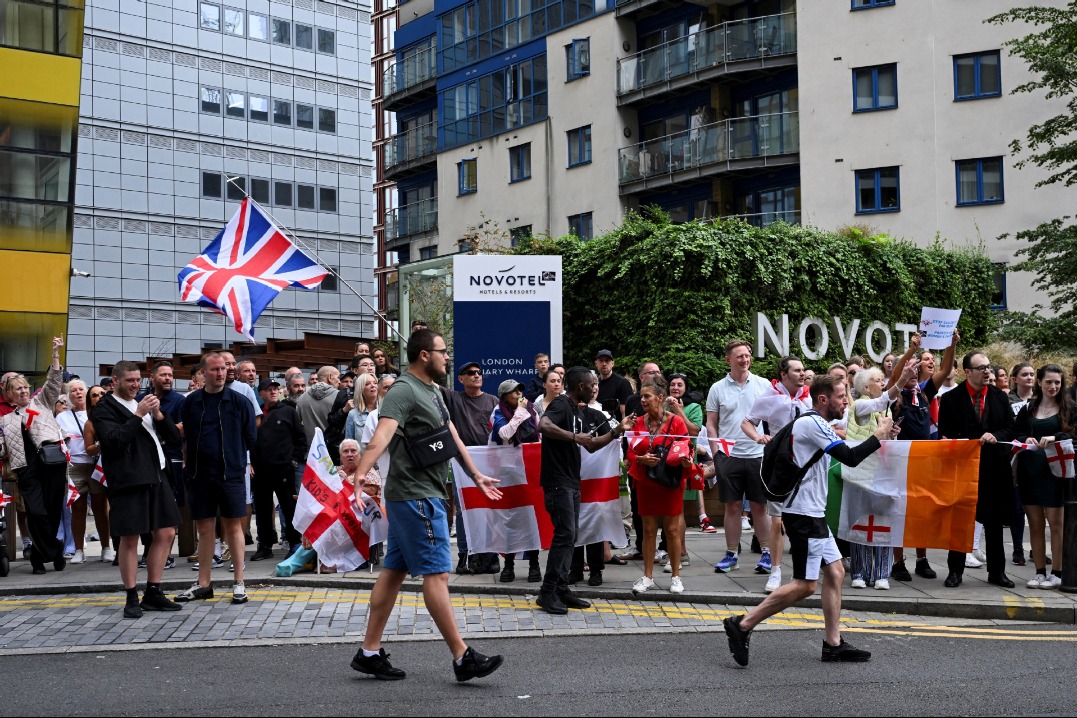
Over the past year, the United Kingdom has witnessed rising public demonstrations around the government’s use of hotels to house asylum seekers. These protests, often organised informally and spreading rapidly through social media, reflect deep public concern about migration policy, resource allocation, community impact, and governmental transparency.
Key aspects of the protest movement include:
-
Local residents voicing frustration over the placement of asylum hotels in their communities
-
Demonstrations propelled by concerns about public services, housing, and security
-
A growing sense of urgency amplified by grassroots activists and online influencers
For background on asylum policy in the UK, the Home Office Asylum Statistics provide official context:
https://www.gov.uk/government/collections/asylum-and-resettlement-statistics DoFollow
Who Are Combative Videographers?
Combative videographers Britain asylum hotel protests refers to individuals or small groups who use video recording—often live streaming—to capture protests with a confrontational and emotionally charged style. Unlike traditional journalists who aim for balanced reporting, these videographers often position themselves within the action, engaging directly with participants, speakers, and observers.
Characteristics of combative videography include:
-
High-intensity language and provocative questioning
-
Filming centered on emotionally resonant moments
-
Use of sensational sound bites to attract online viewership
-
Live streaming to platforms where engagement is driven by immediacy
While not a new phenomenon, this approach has gained traction as social media platforms prioritise viewer engagement and rapid content sharing.
For insight into how social media transforms protest coverage, the Reuters Institute Digital News Report offers valuable analysis:
https://reutersinstitute.politics.ox.ac.uk/digital-news-report DoFollow
How Videography Shapes Protest Dynamics
The direct impact of combative videography on Britain’s asylum hotel protests is multifaceted:
Amplification of Grievances
The presence of cameras—especially those broadcasting live—can elevate individual frustrations into widely shared narratives. Scenes that might have remained local become national talking points within hours.
Recruitment and Mobilisation
Videos that capture high-tension moments or articulate compelling arguments can attract viewers who then join protests or engage in online activism. This dynamic mirrors protest movements elsewhere where digital content drives offline action.
Framing the Narrative
Combative videographers often foreground conflict, portraying authorities or opposing voices in ways that fuel outrage or solidarity among audiences. This framing can polarise debates and make consensus more difficult.
Pressure on Authorities
Widespread video coverage puts additional pressure on government officials and law enforcement to respond. Policy discussions may be influenced less by traditional reporting and more by viral clips that draw public and political attention.
For further discussion on media influence in modern protest environments, the Media, Protest, and Public Sphere section of the Oxford Research Encyclopaedia of Communication is informative:
https://oxfordre.com/communication DoFollow
Reactions from Authorities and Commentators
Government officials, law enforcement, and media observers have expressed mixed views on the influence of combative videographers Britain asylum hotel protests:
-
Some argue that real-time footage increases transparency and holds authorities accountable.
-
Others caution that aggressive videography can escalate tensions, encourage misinformation, and prioritise spectacle over substance.
A Home Office spokesperson commented that while freedom of expression is respected, public demonstrations must remain peaceful and within legal parameters. They further emphasised that official information about asylum policy is available directly from government sources to counter misunderstanding. (Official Home Office site: https://www.gov.uk/government/organisations/home-office)
Media analysts note that the technique of combative filming is not limited to asylum protests; similar tactics have been observed in other contentious public debates, including environmental activism, housing disputes, and policing criticism.
Societal Implications of Combative Videography
The rise of combative videographers Britain asylum hotel protests highlights broader societal shifts:
The Blurring of Journalistic Lines
The distinction between professional journalism and citizen-led recording has become less clear. As mainstream media outlets integrate user-generated content, questions arise about verification, editorial standards, and responsibility.
The Speed of Information Spread
Live streams and short-form videos travel rapidly across platforms such as YouTube, Facebook, and alternative social networks. This immediacy benefits protest participants seeking visibility but also creates fertile ground for rumours or partial narratives.
Public Opinion Fragmentation
Highly charged video content can entrench opinions, making moderate voices harder to amplify. Polarised narratives sometimes replace nuanced debate, complicating efforts by policymakers to address underlying social issues.
For analysis on digital media’s role in public discourse, see our internal coverage on modern communications:
https://infinitestandard.com/digital-media-and-public-opinion
Responses from Civil Society
Civil society groups and advocacy organisations have urged careful reflection on the role of video content in protest culture. Some emphasise that:
-
Ethical documentation should prioritise safety and accuracy
-
Visual media ought to inform rather than inflame
-
Dialogue and engagement are essential to resolving underlying social concerns
Organisations focused on media literacy encourage citizens to critically evaluate the content they consume and to consider multiple viewpoints before forming conclusions.
For broader resources on responsible media engagement, the Media Literacy Now initiative offers guidance:
https://medialiteracy.org
Looking Ahead: Balancing Expression and Responsibility
As protests around asylum hotels continue to evolve, the interplay between videographers and public sentiment is likely to remain influential. The challenge for British society is to balance vibrant civil expression with responsible media practices and constructive policy discourse.
Achieving this balance requires:
-
Clear communication from public officials about policy and responses
-
Responsible content creation by media practitioners and independent videographers alike
-
Public engagement and education on media literacy and social empathy
The phenomenon of combative videographers Britain asylum hotel protests underscores the changing dynamics of contemporary protest culture and the ongoing negotiation between freedom of expression and social responsibility.