


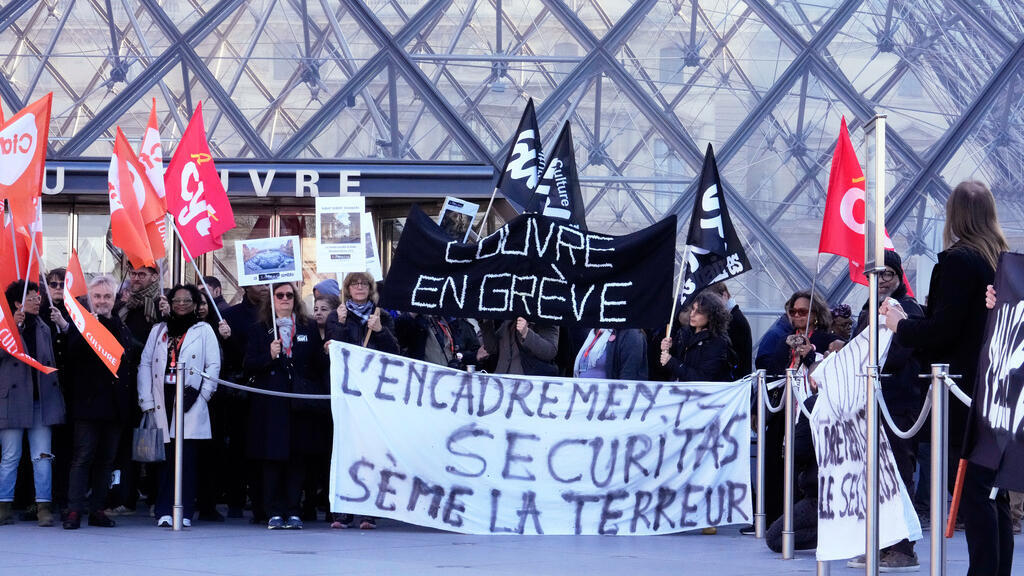
Louvre Museum to Remain Closed as Strike Over Working Conditions Continues
The Louvre Museum closed strike situation has entered a critical phase as the world-famous Paris landmark remains shut due to an ongoing staff strike over working conditions. According to Euronews, the museum’s closure reflects deepening tensions between employees and management, highlighting broader challenges faced by cultural institutions across Europe.
The Louvre, home to globally renowned masterpieces such as the Mona Lisa and the Venus de Milo, attracts millions of visitors each year. Its continued closure has sparked concern among tourists, cultural professionals, and policymakers alike, raising questions about labour conditions, visitor safety, and the sustainability of Europe’s cultural sector.
Why the Louvre Museum Is Closed
The Louvre Museum closed strike stems from staff concerns over working conditions, workload pressure, and operational challenges within one of the world’s busiest museums.
Key issues raised by employees include:
-
Overcrowding and staff shortages, especially during peak tourist seasons
-
Increased workloads without corresponding increases in staffing levels
-
Health and safety concerns, particularly for frontline workers managing large visitor flows
-
Working conditions linked to extended opening hours and major international events
Union representatives argue that the museum’s current operating model places excessive strain on employees, while management maintains that it is working to balance public access with staff welfare.
For background on labour rights and collective action in France, readers can consult the French Ministry of Labour overview on employment conditions :
https://travail-emploi.gouv.fr/
Impact on Visitors and Tourism
The Louvre’s closure has immediate implications for both domestic and international visitors. Paris is one of the most visited cities in the world, and the Louvre is a central attraction for cultural tourism.
The effects of the Louvre Museum closed strike include:
-
Cancelled or postponed museum visits for tourists already in Paris
-
Financial losses for travel operators and local businesses reliant on museum tourism
-
Disruption to school and educational visits
-
Crowding at alternative attractions, such as the Musée d’Orsay or Centre Pompidou
Visitors are advised to check official channels before planning trips. Updates are regularly posted on the official Louvre Museum website :
https://www.louvre.fr/
A Broader Issue for European Cultural Institutions
The Louvre strike is not an isolated case. Cultural institutions across Europe have faced similar labour disputes in recent years, driven by rising visitor numbers, budget constraints, and post-pandemic staffing challenges.
Common pressures include:
-
Increased operational costs without proportional funding increases
-
Higher expectations for extended opening hours and special exhibitions
-
Security and crowd management demands
-
Competition for skilled cultural workers
The Louvre Museum closed strike has reignited debate about how Europe funds and manages its cultural heritage, particularly institutions that serve both as public goods and major tourism engines.
For a wider perspective on cultural sector challenges, see the UNESCO Culture and Working Conditions overview
https://www.unesco.org/en/culture
Staff Demands and Union Position
Museum workers and unions have emphasized that their action is not directed against visitors, but rather intended to force meaningful dialogue with authorities.
Reported demands include:
-
Improved staffing ratios to manage visitor volumes safely
-
Clear limits on daily visitor numbers
-
Better recognition of the physical and emotional demands of frontline museum work
-
Long-term planning for sustainable operations
Union leaders argue that without structural changes, closures like the current Louvre Museum closed strike could become more frequent.
Response From Authorities and Management
French cultural authorities and Louvre management have acknowledged the seriousness of the situation. Discussions are reportedly ongoing to find a resolution that balances public access, employee welfare, and the museum’s global role.
Potential measures under discussion include:
-
Revising visitor capacity limits
-
Hiring additional staff or redistributing workloads
-
Reviewing security and crowd-control protocols
-
Adjusting opening schedules during peak periods
However, until an agreement is reached, the museum is expected to remain closed on affected strike days.
For official information on France’s national museums and cultural policy, visit the French Ministry of Culture
https://www.culture.gouv.fr/
What Tourists Should Do Now
Travellers planning to visit Paris during the strike period should take proactive steps:
-
Monitor official updates from the Louvre and local authorities
-
Keep tickets flexible or opt for refundable bookings
-
Consider alternative museums, such as Musée d’Orsay, Musée de l’Orangerie, or the Rodin Museum
-
Plan cultural activities beyond museums, including historical neighbourhoods and open-air landmarks
Cultural Access vs Worker Rights
The Louvre Museum closed strike underscores a delicate balance between public access to culture and the rights of workers who sustain these institutions. While closures frustrate visitors, labour advocates stress that long-term solutions are necessary to prevent burnout and ensure high-quality cultural experiences.
Experts note that sustainable cultural tourism requires:
-
Adequate investment in staff and infrastructure
-
Realistic visitor capacity planning
-
Respect for labour rights alongside public service missions
Without addressing these underlying issues, iconic institutions like the Louvre may face recurring disruptions.
Conclusion
The continued Louvre Museum closed strike is more than a temporary inconvenience; it is a signal of deeper structural challenges facing major cultural institutions in Europe. As negotiations continue, the outcome will likely shape how museums balance global popularity with fair working conditions in the years ahead.
For now, visitors are urged to stay informed and flexible, while policymakers and cultural leaders face mounting pressure to find durable solutions that protect both Europe’s heritage and the people who preserve it.